
Stories
Meet the researchers, people, and partners making a difference in Canterbury.

SUPPORT OUR CANTERBURY BASED RESEARCH
Your donation directly supports the research projects we fund, helping to create a positive impact today and for the future.

BECOME A MEMBER OF THE FOUNDATION
As a member, you'll recieve exclusive invitations to our AGM, community events, celebratory functions and enjoy meeting our Board and Researchers.

EXPLORE BEQUESTS AND LIVING LEGACIES
Consider leaving a charirable gift in your Will, to ensure that your legacy of generosity lives on, making the difference for years to come.
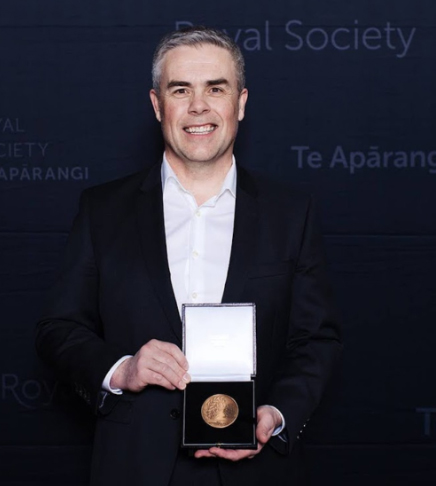
Professor Logan Walker has recently been awarded the prestigious HRC Liley Award.
Published: 27 November 2025
Professor Logan Walker has recently been awarded the prestigious HRC Liley Award.
Professor Walker’s groundbreaking work in RNA splicing has transformed how major diagnostic laboratories in New Zealand and around the world classify genetic variants – improving accuracy, speeding up diagnosis, and enabling earlier clinical interventions.
This achievement means clearer answers, better treatment pathways, and greater hope for families navigating genetic risk.
For more information about Logan’s work and this award, go HERE
Effects of One Season of Rugby on the Neurological Integrity of Male Adolescent Players
Published: 24 February 2026
ABSTRACT
Background
Rugby union is a popular contact sport during which high impact collisions frequently occur. There is concern for the overall brain health of those playing the game, as concussion is a potential outcome of high impact collisions. Repeated sub-concussive collisions may compromise rugby players’ neurological integrity, but little is known about the effects on young brains. The brain is still developing during adolescence and may generally be more susceptible to injury, but minimal objective research data are available regarding head acceleration events experienced by junior players.
Results
Forty-one adolescent male rugby players underwent pre- and post-season MRI scans and neuro-cognitive assessments. Participants were fitted with instrumented mouthguards to record head acceleration events experienced during the season. Post-season processing of MRI scans focused on within-subject analysis of pre- to post-season changes in white matter as measured by diffusion tensor imaging. Linear mixed models were used to investigate correlations between neurological changes and cumulative head impact loading recorded by the mouthguards. MRI results indicated a non-significant difference between pre- and post-season for data relating to brain structure and function, including white matter microstructure, in response to one season of contact training and match play for under-16 male rugby players, as measured by diffusion tensor imaging. These results held irrespective of level of exposure.
Conclusions
Our data suggest that exposure to one season of rugby does not appear to result in neurological compromise. The statistical non-significance reported for the main outcome measure also held when controlling for variables, such as training age and headgear use. Although pre- to post-season differences were statistically non-significant, the long-term effects of high exposure may be of clinical significance going forward. Further research, particularly using longitudinal designs, is needed to further elucidate the potential for microstructural neurological changes in adolescent rugby players.
FOR THE FULL REPORT:

Dr Amanda Landers
Pancreatic Cancer
(Major Projects Grant Recipient 2025)
Summary of the research project
Pancreatic cancer (PC) often leads to pancreatic exocrine insufficiency (EPI/PEI) better known as pancreatic failure. EPI/PEI can cause significant digestive issues such as bloating, excessive wind, pain, diarrhoea, and weight loss, affecting quality of life. Pancreatic enzyme replacement therapy (PERT) is a funded, effective, and safe treatment that can slow weight loss, help patients tolerate cancer treatments, and potentially improve survival. Many New Zealanders with PC are not prescribed PERT as it can be difficult to distinguish EPI/PEI from cancer-related symptoms. Our simple symptom scoring tool helps identify EPI/PEI and differentiate this condition from other digestive symptoms. Our study will help validate the tool in PC, improving clinical decision-making, and ensuring patients receive appropriate PERT treatment.
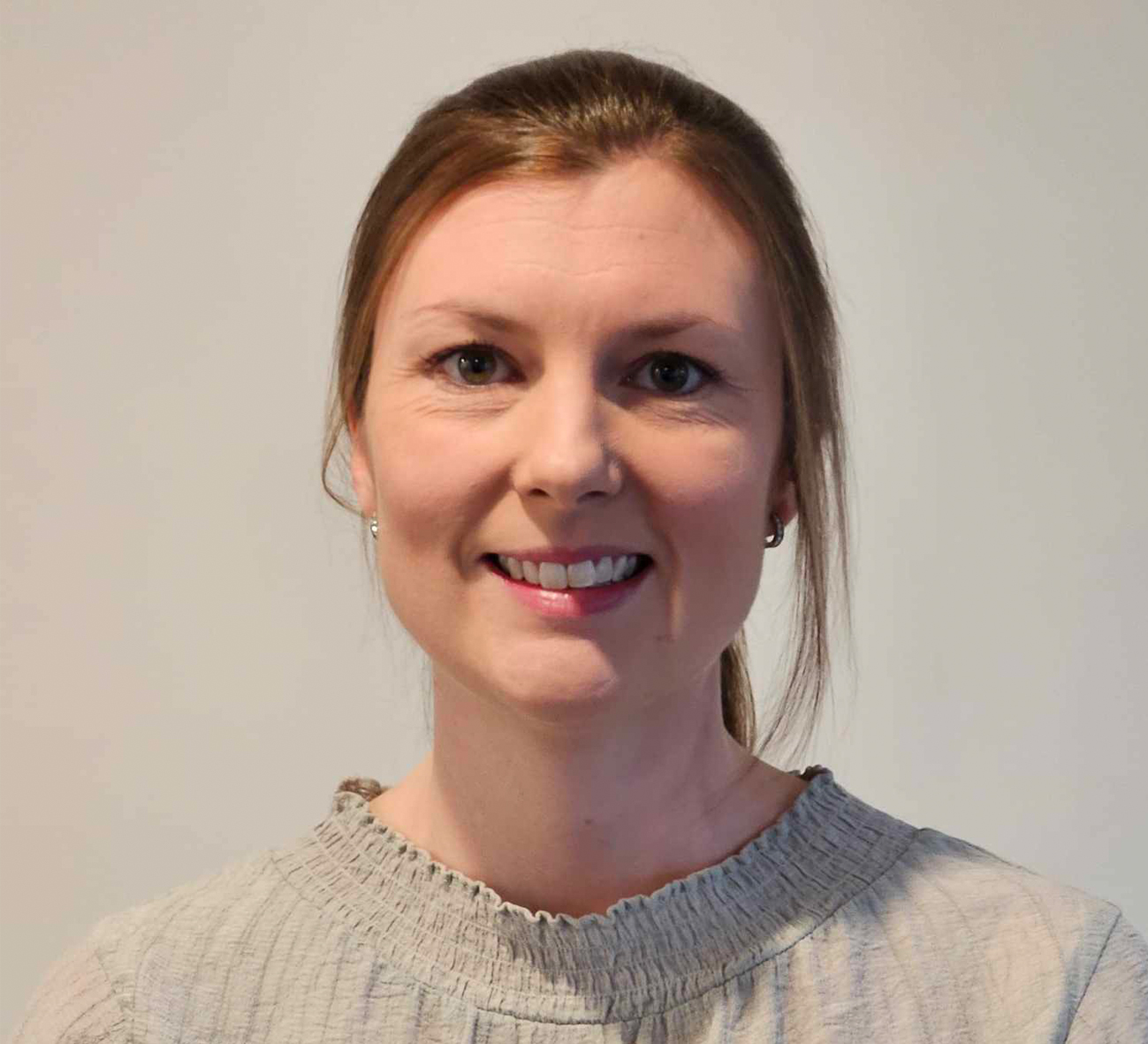
Dr Teagan Edwards
Inflammatory Bowel Disease in Children
(Major Projects Grant Recipient 2025)
Summary of the research project
Inflammatory bowel disease (IBD), encompassing Crohn’s Disease (CD) and ulcerative colitis (UC) is an incurable condition leading to relapsing and remitting gut symptoms that can include diarrhoea, abdominal pain, and fatigue. It is increasingly common in children in NZ, with rates tripling in the Canterbury region over the last two decades. Those diagnosed in childhood often experience worse outcomes including adverse effects on growth, nutrition, and psychological well-being. Various treatments are available to reduce inflammation and maintain remission, however, better ways to detect and monitor active disease are required to enable earlier diagnosis and ensure optimised care and outcomes for these children. Myeloperoxidase (MPO), released by activated blood cells, shows promise as a non-invasive marker of inflammation in children with IBD. MPO levels can be useful in diagnosis, can predict disease severity and have advantages over current markers. This proposal focuses on assessing the ability of MPO levels to reflect response to treatment interventions and predict disease relapse within 12 months.
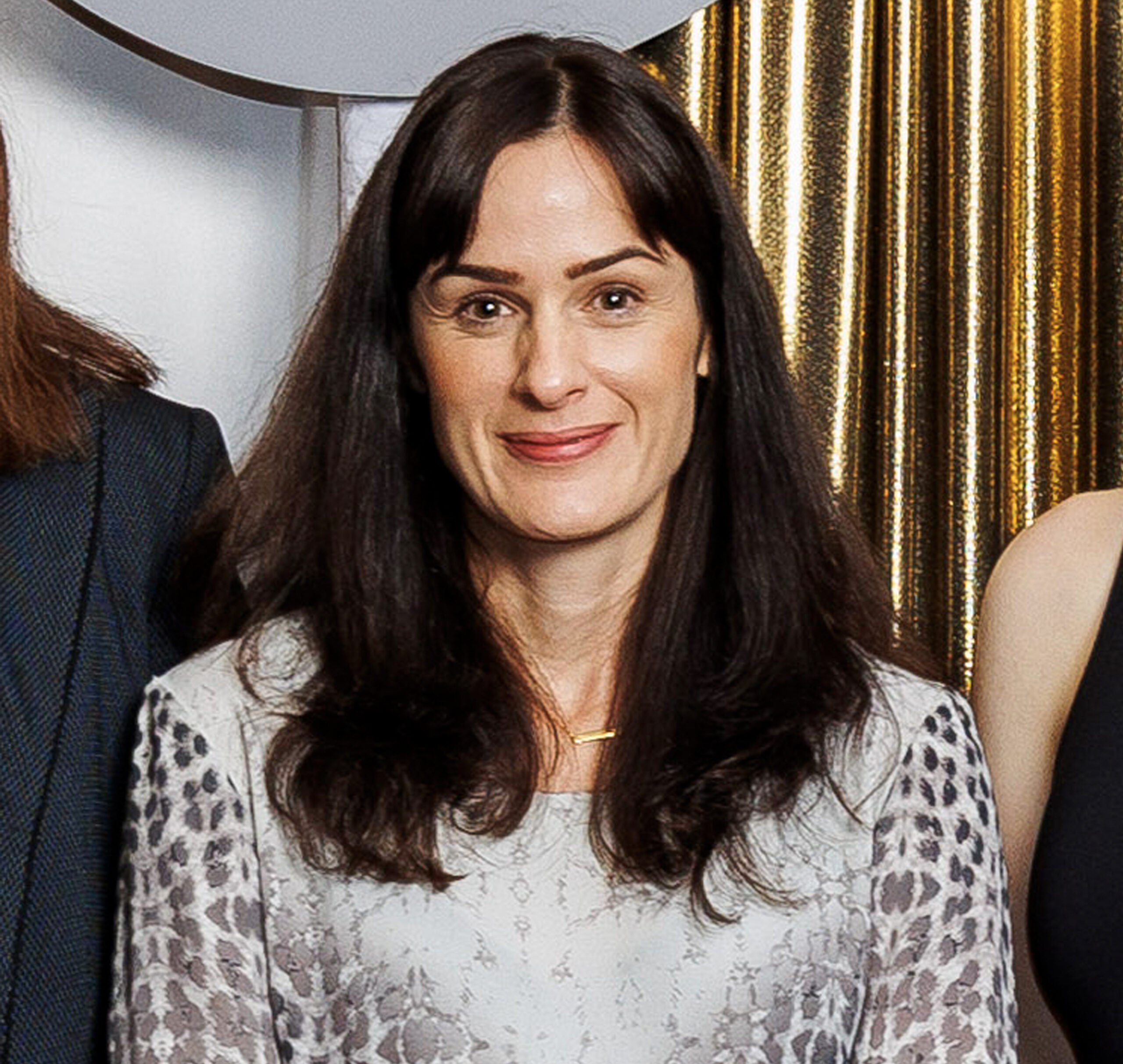
Dr Jenni Manuel
The impact of social and environmental factors on infant mental health treatment outcomes
(Major Projects Grant Recipient 2025)
Summary of the research project
Evidence shows that exposure to trauma and adversity in infancy can have serious, long-term effects on mental and physical health. This is because the infant brain develops rapidly and is highly sensitive to environmental influences. A safe, secure relationship with a primary caregiver can help buffer negative impacts of environmental adversity. This understanding has prompted the development of infant mental health services for children aged 0-4 years with therapy that targets the developing relationships of infants and caregivers. In Aotearoa, a small number of these publicly funded preventative services have recently been established. However, there is currently no data on the real-world delivery of these services - specifically, who is accessing them, whether they are improving infant outcomes, or how family social stressors or protective factors influence treatment. This study will examine these factors in an infant mental health service in Ōtautahi, Christchurch. This information will be used to explore how infant mental health services can be better tailored to meet the needs of high-risk infants and more effectively integrate social responsiveness into treatment. Understanding who benefits from public services and why will also help identify barriers and support equitable service delivery.

Dr Simone Cree
Investigating Growth Differentiation Factor-15 as a predictive biomarker of cardiovascular disease in the Pacific Population in Canterbury
(Major Projects Grant Recipient 2025)
Summary of the research project
National health data has shown that Pacific peoples have the highest rates of hospitalisation from heart disease than their non-Pacific counterparts. The Pasifika Heart Study, New Zealand’s largest collection of Pacific health data from Canterbury recorded high rates of risk factors like diabetes and high blood pressure in participants. This study will recruit and screen 100 additional Pacific adults to the Pasifika Heart Study and test the role of an emerging blood biomarker, GDF-15 in detecting heart disease in this cohort. This research aims to actively promote heart health research and participation in vulnerable Pacific communities. through early intervention.

Dr Gemma Moir-Meyer
Identifying novel genetic drivers of heart disease to improve health outcomes for Cantabrians
(Major Projects Grant Recipient 2025)
Summary of the research project
Cardiovascular disease (CVD) arises from a buildup of atherosclerotic plaques in the circulatory system and is the single biggest killer in Aotearoa New Zealand (NZ). These plaques can also cause heart attacks when they block blood vessels in the heart, making CVD the leading cause of avoidable hospitalisations in Canterbury. About half of an individual’s risk of CVD is due to environmental or lifestyle factors and the other 50% is due to underlying genetics. These genetic patterns can be leveraged to identify people at high risk of developing CVD before their symptoms appear. So far, relatively few of these genetic risk factors have been identified, but researchers have mostly focused on finding small ‘spelling mistakes’ in the DNA, termed DNA variants. This research will instead search out large DNA variants where entire sentences (or even pages) of genetic instructions have been deleted or copy-pasted to places where they do not belong. With new genetic risk markers, we have the potential to detect CVD before it becomes a health burden. This information will also uncover new targets for drug design, and aid the clinical management of patients, which will contribute to improved outcomes for Cantabrians with heart disease.
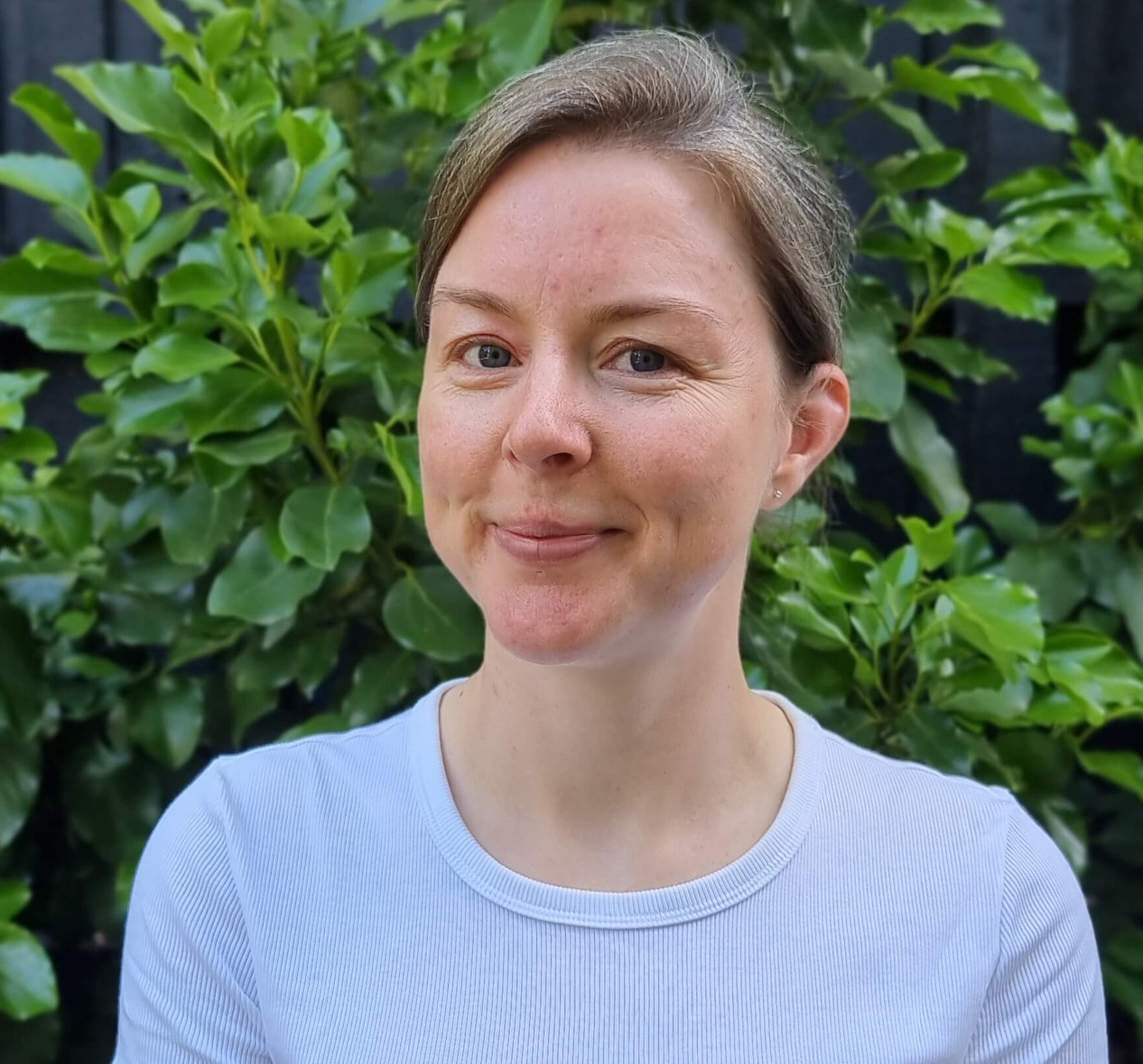
Dr Zoe Odering
Development of a Cognitive Health Programme Following a First Episode of Psychosis
(Major Projects Grant Recipient 2025)
One in 14 people in Aotearoa New Zealand will experience a psychotic episode in their lifetime, usually before the age of 25. Non-Māori experience psychosis at half the rate of Māori, reflecting the impacts of colonisation. Most people with psychosis have significant cognitive challenges such as memory issues, trouble concentrating, or difficulties problem-solving, which impact a young person’s ability to study, work, and stay connected with others.
Even though these challenges are common, most mental health services in Aotearoa do not routinely screen for them. Without simple ways to assess these cognitive difficulties, it is very difficult for clinicians to offer the right kind of support.
This study will test a short cognitive screening tool with young people receiving care at Tōtara House, an early intervention service in Canterbury. It will explore how practical and easy it is to use the tool in a mental health setting, as well as the experience and cultural appropriateness of the tool for young adults experiencing early psychosis.
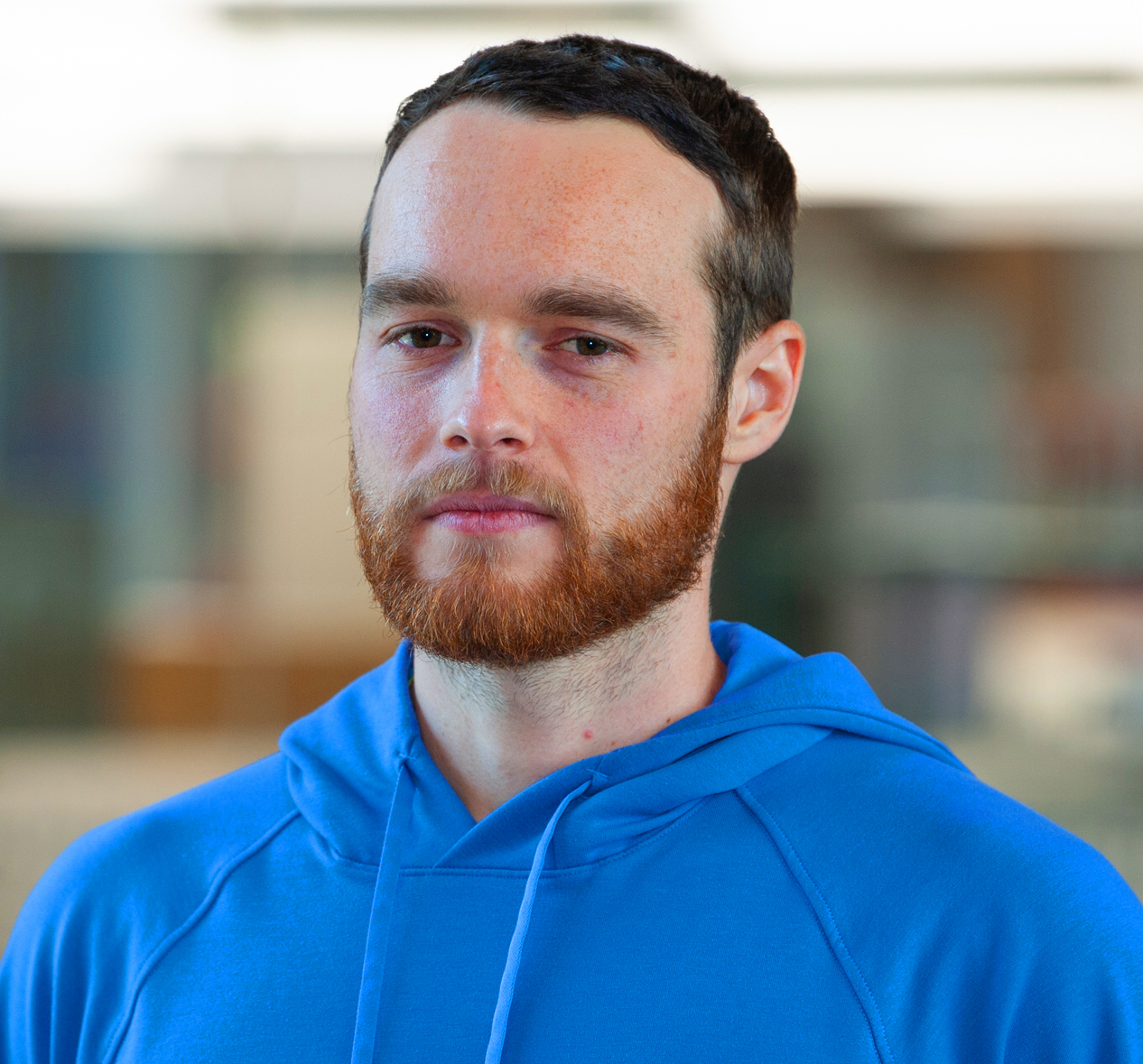
Dr Michael Newton-Vesty
Infectious Diseases
(Major Projects Grant Recipient 2025)
Summary of the research project
The overuse of antimicrobials and the spread of bacterial resistance mechanisms are rapidly reducing our supply of effective treatments against bacterial infections. If this problem is not addressed, routine medical procedures will become dangerous and global deaths from antimicrobial-resistant infections could reach 10 million per year by 2050. Because it is a major threat and known problem in healthcare settings, antimicrobial-resistant Pseudomonas aeruginosa is a World Health Organization high-priority pathogen for urgent development of new treatment options.
We have discovered an enzyme called PA3 that kills antimicrobial-resistant P. aeruginosa. PA3 is an endolysin, an enzyme naturally produced by viruses that infect bacteria, to break down the bacterial cell wall. Treating P. aeruginosa with purified PA3 effectively kills bacterial cells, offering potential for development as a new treatment option. We will determine the mechanism by which this enzyme kills P. aeruginosa using protein structural and biophysical tools.
Understanding the mechanism of bacterial cell killing will help establish a foundation for the development and commercialisation of these enzymes as novel antibiotics. This will expand our options for treating antibiotic-resistant bacterial infections and lead to better health outcomes in Canterbury.

Dr Will Aye
Parkinson’s Disease
(Major Projects Grant Recipient 2025)
Summary of the research project
This research focuses on Parkinson’s disease, which is the second most prevalent neurodegenerative disorder globally, with over 20,000 people projected to have PD in Aotearoa New Zealand by 2040. The disease is usually associated with problems with movement, such as tremor, stiffness, or slowness. But one of the most difficult challenges for many patients is the progressive decline in their thinking and memory, which can eventually lead to dementia, and heavily affect their independence and quality of life.
At the New Zealand Brain Research Institute, our team has been studying
Parkinson’s disease for more than 15 years. One idea that is gaining traction — supported by our research and work overseas — is that some of these thinking and memory problems may be linked to damage to the brain’s small blood vessels in the white matter, which is the “wiring” that connects different parts of the brain.
Detecting this damage through traditional brain imaging techniques can be labour- intensive, time-consuming, and complex. Our study will test a fast and fully automated approach to detect vascular damage in the white matter of the brain. This approach has already shown promise in other brain conditions, and we will test whether it is related to movement and cognitive symptoms in Parkinson's disease. We aim to develop a clinically useful and scalable tool for assessing disease severity and monitoring
progression in Parkinson's disease, with potential applications in treatment trials and routine care.
Furthermore, this automated technique has the potential to support more meaningful patient-doctor conversations about vascular health—that may be especially valuable for Māori, who experience a disproportionately high burden of cardiovascular disease. Therefore, we aim to ensure that our research is relevant and accessible to the Māori communities by collaborating with the Mātai Medical Research Institute.
To summarise, this research aims to make it easier to detect the hidden vascular changes that may contribute to cognitive decline in Parkinson’s disease — and ultimately improve care for the thousands of New Zealanders living with this condition.

Dr Ella Guy
Chronic Respiratory Disease
(Emerging Researcher Fellowship Recipient 2025)
Chronic respiratory diseases are major causes of doctor and hospital visits, and a major burden for patients and healthcare systems. They are also a major source of inequity of access to care and outcomes, with some patients facing difficulty getting referrals, long waitlists, and additional emergency care visits.
This research will develop and test a new, low-cost, low-effort method of tracking lung function in home settings. We aim to measure a person’s individual lung function and track changes to help them better manage their disease. Normally, these tests are done in specialty clinics, and there is currently no means of predicting exacerbations, which can lead to costly hospital visits.
With regular at-home monitoring linked to hospital databases, we can provide people and clinicians with the ability to respond early to changes in lung function, before they worsen. By comparing this data to symptoms and prior exacerbations we will develop prediction tools to further empower people to better understand and manage their care.
This research is informed by clinical and community collaboration to ensure the developed tool meets the needs of all users and provides a platform to connect patients to clinicians and to researchers developing assistive tools.
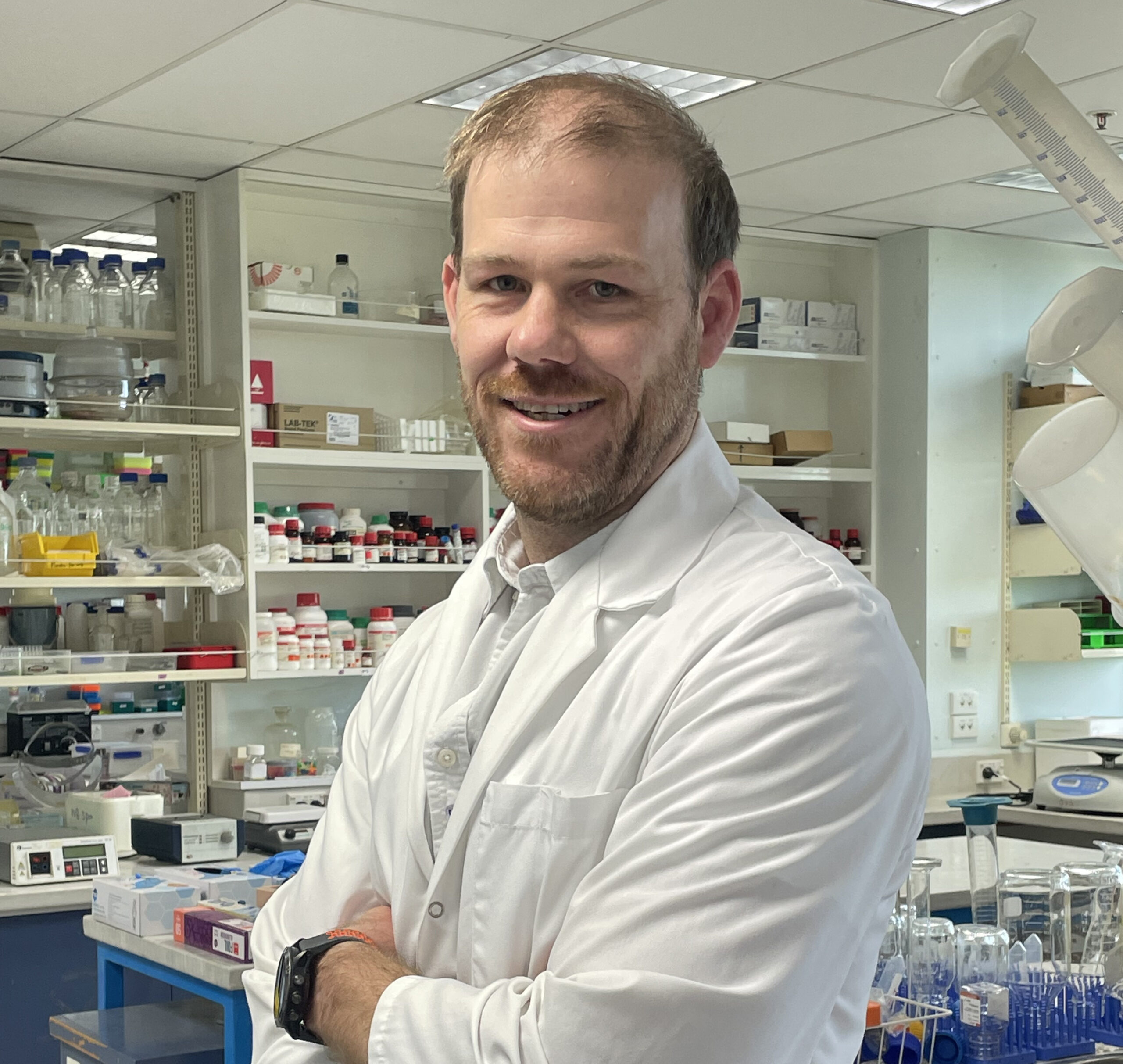
Dr George Wiggins
Developing non-invasive prevention options for women at high genetic risk of breast and ovarian cancer
(Emerging Researcher Fellowship Recipient 2025)
Women at high-risk of breast and ovarian cancer need new and effective prevention strategies.
Traditional options for cancer prevention include risk-reducing surgery, however this strategy is unwanted by many women due to a variety of reasons, such as fertility and menopause concerns. Providing doctors with a non-invasive and easily accessible preventative therapy for women at high risk of developing breast and ovarian cancer would have numerous benefits for the health system (e.g. reduced inequity in health outcomes), and for the patients and their whānau.
Through discoveries in the laboratory, and collaboration with the world leading CIMBA Consortium, we are uniquely positioned to investigate potential novel preventative therapies for women at high-risk of breast and ovarian cancer. This comprehensive, innovative and potentially transformative research is a vital step towards reducing cancer diagnoses through the development of personalised preventative treatment(s).
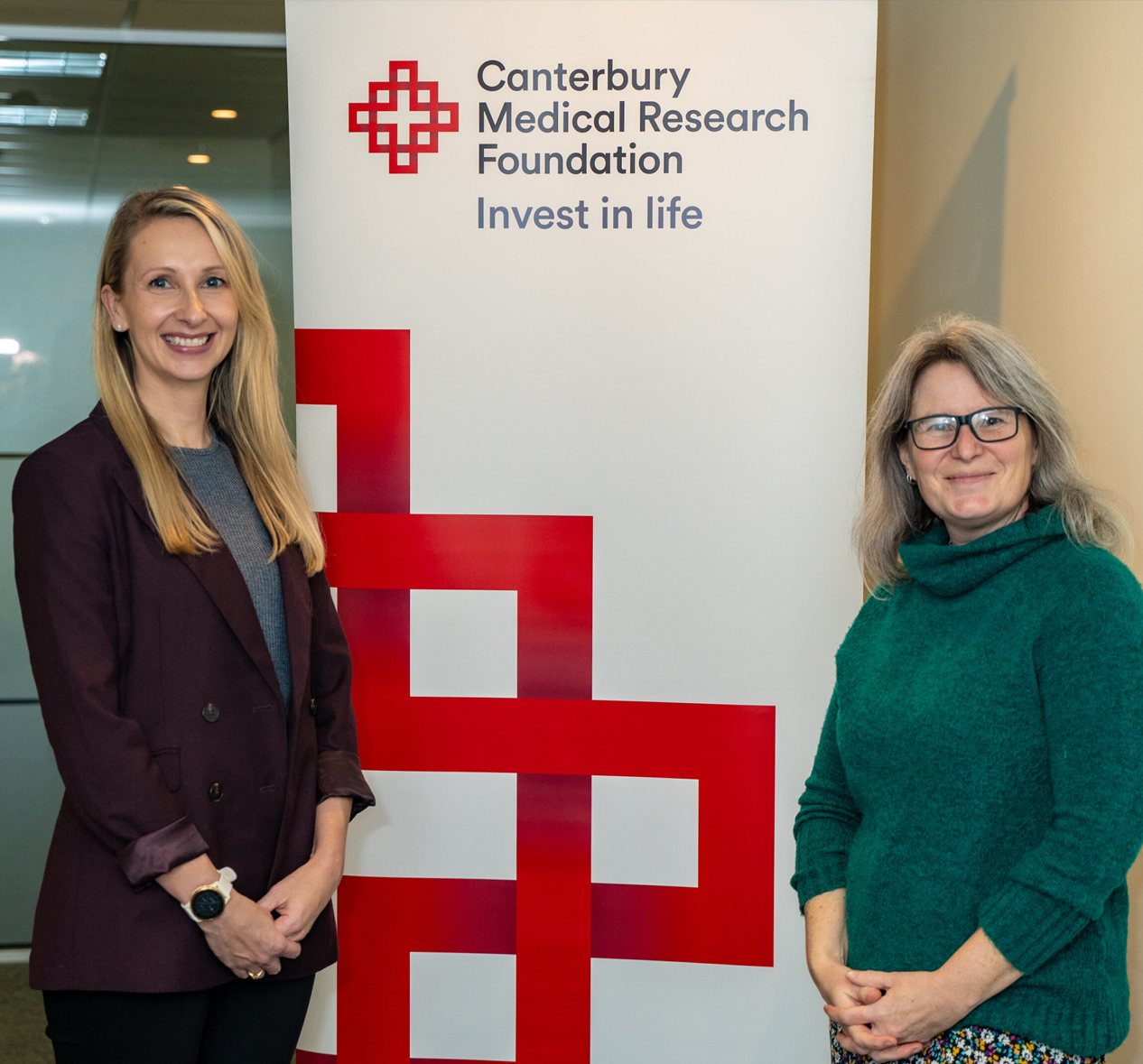
Two Canterbury Health Researchers win prestigious CMRF Emerging Researcher Fellowship worth over $440,000
The Canterbury Medical Research Foundation (CMRF) recently announced its Emerging Research Fellows (ERF) for 2024 as Dr. Megan Gath (University of Canterbury) and Dr. Angharad Hurley (University of Otago, Christchurch).
The ERF supports the best and brightest early career health researchers in the Canterbury region by providing up to $220,000 per fellow towards their proposed research. Dr. Megan Gath is a Senior Lecturer at the University of Canterbury and part of the prestigious Child Well-Being Research Institute. The CMRF Emerging Researcher Fellowship was awarded to Dr. Gath for her project on understanding the impact of children’s screen exposure on developmental outcomes. Children and youth now spend an unprecedented amount of time watching or interacting with screens, and it is critical to understand the longer-term impacts on health and well-being.
Dr. Gath’s research will examine the ways in which digital device use by children and youth impacts their development, including mental well-being, such as resilience and quality of life, and aspects of social and behavioural adjustment, such as aggression, victimisation, and the ability to form positive peer relationships. All of these developmental outcomes are essential for youth to flourish, in terms of their mental and physical well-being across the lifespan.
The findings from this research are expected to help parents, medical professionals, policymakers and others concerned with children’s health and development make informed choices based on an understanding of the impacts of screen media use by children and youth. Dr. Angharad Hurley is a Research Fellow at the University of Otago’s Department of Paediatrics. Dr. Hurley received the Emerging Researcher Fellowship to support their research into understanding whether socio-economic deprivation, geographic location and ethnicity are linked with emergency department admissions at Christchurch Hospital.
Approximately 25,000 children are seen at Christchurch Hospital’s Emergency Department each year but little is known about whether specific groups have an increased need for emergency care, similar reasons for attending, and comparable outcomes. From the research, Dr. Hurley expects to paint a clearer picture of who is attending the hospital emergency department and whether differences can be seen for certain groups of children. This will help inform the development of health interventions that can better support groups that may be overrepresented in the data and find ways to reduce visits to ED when other solutions may be better suited to their needs.The Emerging Researcher Fellowship is recommended by CMRF’s Fellowship Assessment Committee made up of senior healthcare researchers in the region. The award is recommended based on the candidate’s potential to advance the quality of health and wellbeing in the Canterbury region. This year saw a number of excellent applicants, but the committee were unanimous in their nomination of Drs. Gath and Hurley. Canterbury Medical Research Foundation has been supporting the medical and health researchers for over 60 years funding over $32 million in grants. CMRF is here to support the next generation of health and wellbeing researchers in the Canterbury region seeking solutions to some of the world’s most devastating conditions, such as cancer, cystic fibrosis, heart disease, bowel disease, stroke, multiple sclerosis and Parkinson’s to name a few. CMRF is privately supported from generosity of bequests, trusts and corporate donors. Learn more about the work we do and support us at www.cmrf.org.nz
Media enquiries should be directed to Dr. Gath (megan.gath@canterbury.ac.nz), Dr. Hurley (angharad.hurley@otago.ac.nz)

Major Projects Grant Recipient 2023: Dr Katherine Donovan
A Christchurch psychiatrist will be launching a new mental health support research model for young people who have experienced trauma.
Dr Katherine Donovan and her team will offer a group support programme next year to teenagers and their whānau who were impacted by the March 15 2019 mosque attacks – thanks to a $109,985 grant from the Canterbury Medical Research Foundation which made this project possible.
On 15 March 2019, two mosques in Christchurch were targeted in an act of terrorism. This had widespread repercussions in the Muslim and wider community in Christchurch and New Zealand.
Although local community and health board supports were established for young people to access, the team noted that fewer people came forward than were expected. This prompted Dr Shaystah Dean (Clinical Psychologist) and Dr Donovan to work on an alternative model of support.
“We noticed that people weren’t accessing support through the public health system and DHB systems, and even some of the NGOs were expecting more response from the community,” Dr Donovan says.
“We were hearing that a lot of young people were really struggling, and that there was a stigma about coming forward if you were a survivor, or if you felt that you weren’t impacted as much as someone else.”
In February next year they plan to launch a research model that integrates well-evidenced well-being strategies with components of Islamic psychology.
Dr Donovan says an interesting thing about this study will be to see the impact the wellbeing strategies have on teenagers and how that may benefit parental wellbeing in return.
“It will be interesting to see if their parents feel any less distressed as well,” she says.
Dr Donovan’s study invites any young person who has been affected by the March 19 terror attacks to participate, whether they have lost a family member, are a part of the Muslim community, or have been impacted in any way by what occurred.
She says the project has been driven by feedback from the local community and has been ‘from the ground up’ since the beginning.
“We recognised that most strategies are set up without input from the community, and approaches like that don’t work. We hope our project will make a difference from a grass roots level.”
Dr Donovan says she and her team feel honoured to have received this grant to progress their research forward.
“We feel really lucky to have received this grant. It’s amazing that Canterbury Medical Research Foundation are able to support emerging researchers at the early stages of their careers.”
If successful, Dr Donovan hopes a model like this could be used in the future to help communities trying to set up trauma support.
Dr Donovan is currently a Senior Lecturer at University of Otago and has held numerous medical and psychological positions in New Zealand and beyond.
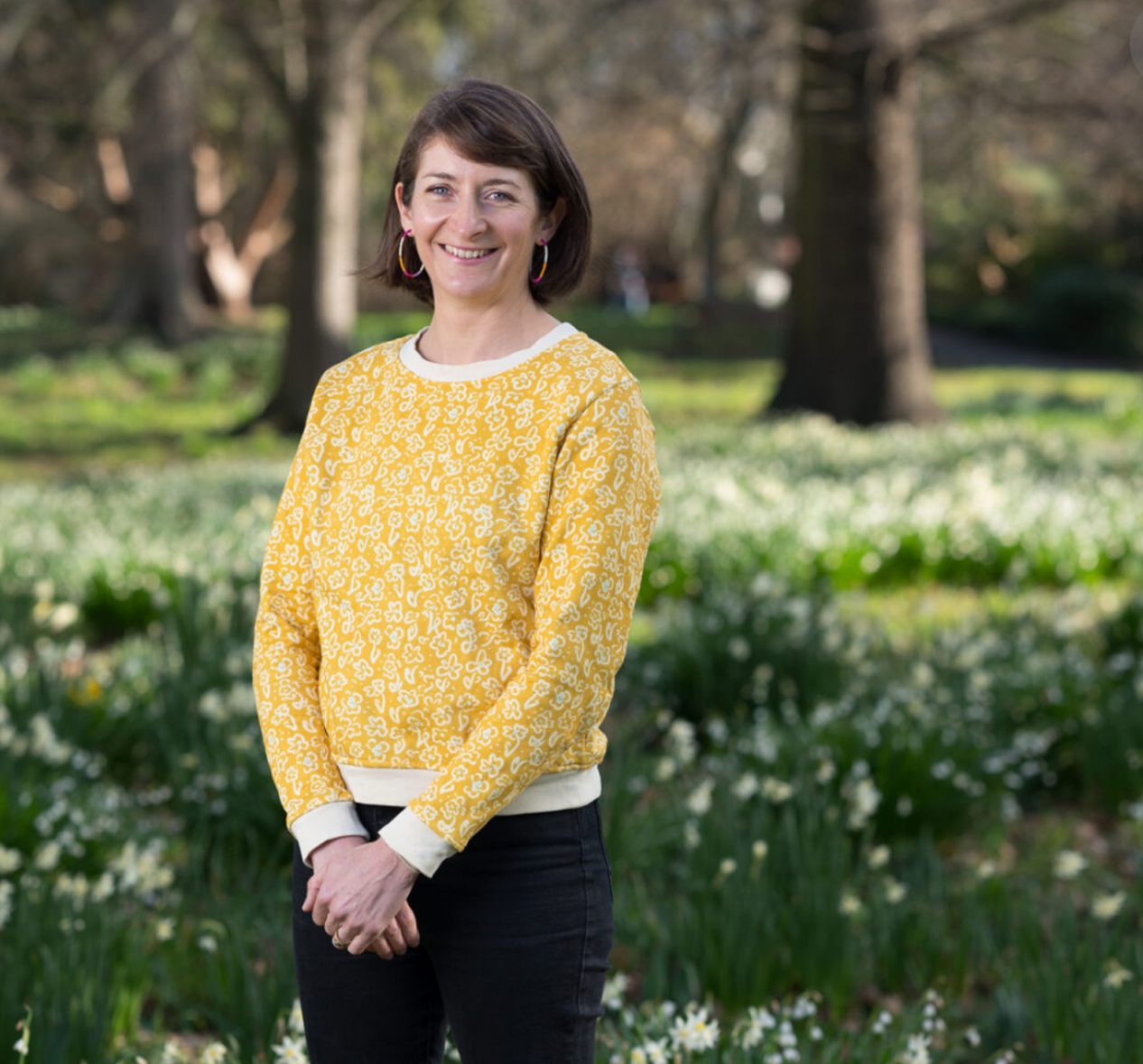
Major Projects Grant Recipient 2023: Associate Professor Katie Douglas
Could a popular psychological treatment for depression also help people with bipolar disorder?
We’re supporting Associate Professor Katie Douglas, who is also a registered clinical psychologist, at the University of Otago, Christchurch with a $101,777 grant to investigate a new treatment option.
Called Behavioural Activation Therapy, the treatment is commonly used to help people experiencing depression, but new research overseas suggests it could be just as effective in treating bipolar disorder.
The condition affects nearly 2% of all Kiwis, but rates are double for Māori, says Katie.
“Unfortunately, most people with bipolar disorder cannot access psychological therapy in Canterbury, or throughout New Zealand. Medication can help, but having a qualified therapist to support patients is critical for long-term recovery.”
A/Prof Douglas says getting access to specialist mental health services can be challenging, and those who are accepted for treatment usually don’t get the help they need long-term.
“It’s really disheartening because what we know about bipolar disorder is that it’s a lifelong condition. It’s chronic and it’s relapsing so there does need to be long-term psychological input for these people, so they know how to manage their condition.”
Twenty people with bipolar disorder will be recruited to take part in the two-year project. They’ll receive therapy over a period of six months, with assessments carried out before and after to determine the trial’s success.
The therapy will be adapted to incorporate Māori models of health, says Katie.
“Ensuring the treatment is culturally responsive is key, especially given rate of Māori affected by bipolar disorder is disproportionally higher than the rest of the community.”
The past 10 years, Katie has been awarded 9 research grants as Principal Investigator. Over the same time period, she has been a named co-investigator on 9 funded research projects. Katie has extensive experience in clinical trial methodology and is currently involved in several clinical trials.
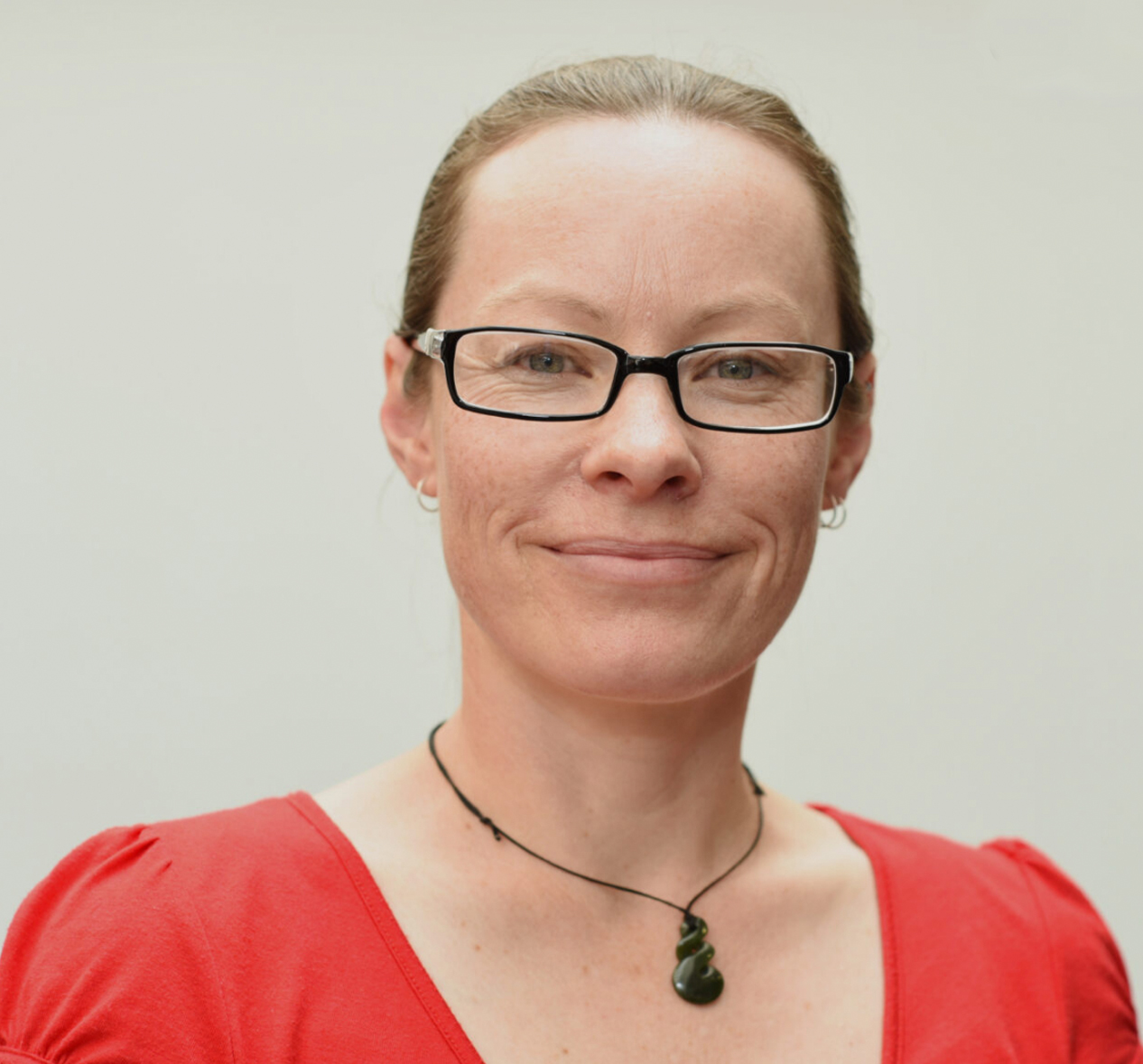
Major Projects Grant Recipient 2023: Dr Louise Paton
Could Lac-Phe levels in the blood be related to ischemic heart disease?
We’ve given University of Otago Research Fellow Dr Louise Paton, from the Department of Medicine’s Christchurch Heart Institute (CHI) a $109,843 grant to find out.
When the heart is working hard, lactic acid levels rise. As the body metabolises fuel, it produces lactic acid as a result, creating a burning sensation in the muscles. For some people, these levels are able to be managed, while for others, it’s harder to keep them under control.
“If you come into the emergency department, and if your lactic acid levels are high, it’s highly correlated to mortality. We know that high levels of lactic acid in the heart is a bad thing, but what we don’t know is how the heart gets rid of it.”
Dr Paton wants to find out how lactic acid levels determine the progress of heart disease and what can be done to minimise it.
“In a normal healthy person, as exercise levels change, your body can compensate. It keeps things nice and on the flatline. Whereas it seems that in some people, they don’t have the ability to control it so well.”
Dr Paton will measure Lac-Phe, a lactic acid metabolite, across 1000 samples of people who have arrived at the Christchurch emergency department with chest pain. Recently Lac-Phe was found to reduce feeding and improve exercise capacity in mice, racehorses, and humans. Dr Paton will be the first person to study how this metabolite may contribute to heart disease.
“Our aim is to discover biomarkers that can be used for diagnosis and treatment. With something like chest pain in the emergency department, their ultimate goal is to identify people that need to stay in the hospital, and people that need to go home. Ideally, these biomarkers will determine that.”
Dr Paton is grateful for the Canterbury Medical Research Foundation grant so that she can continue her excellent work.
“Without the grant, I wouldn’t be doing the project. I’m extremely grateful that it can keep an early career researcher like me employed and doing what I love.”
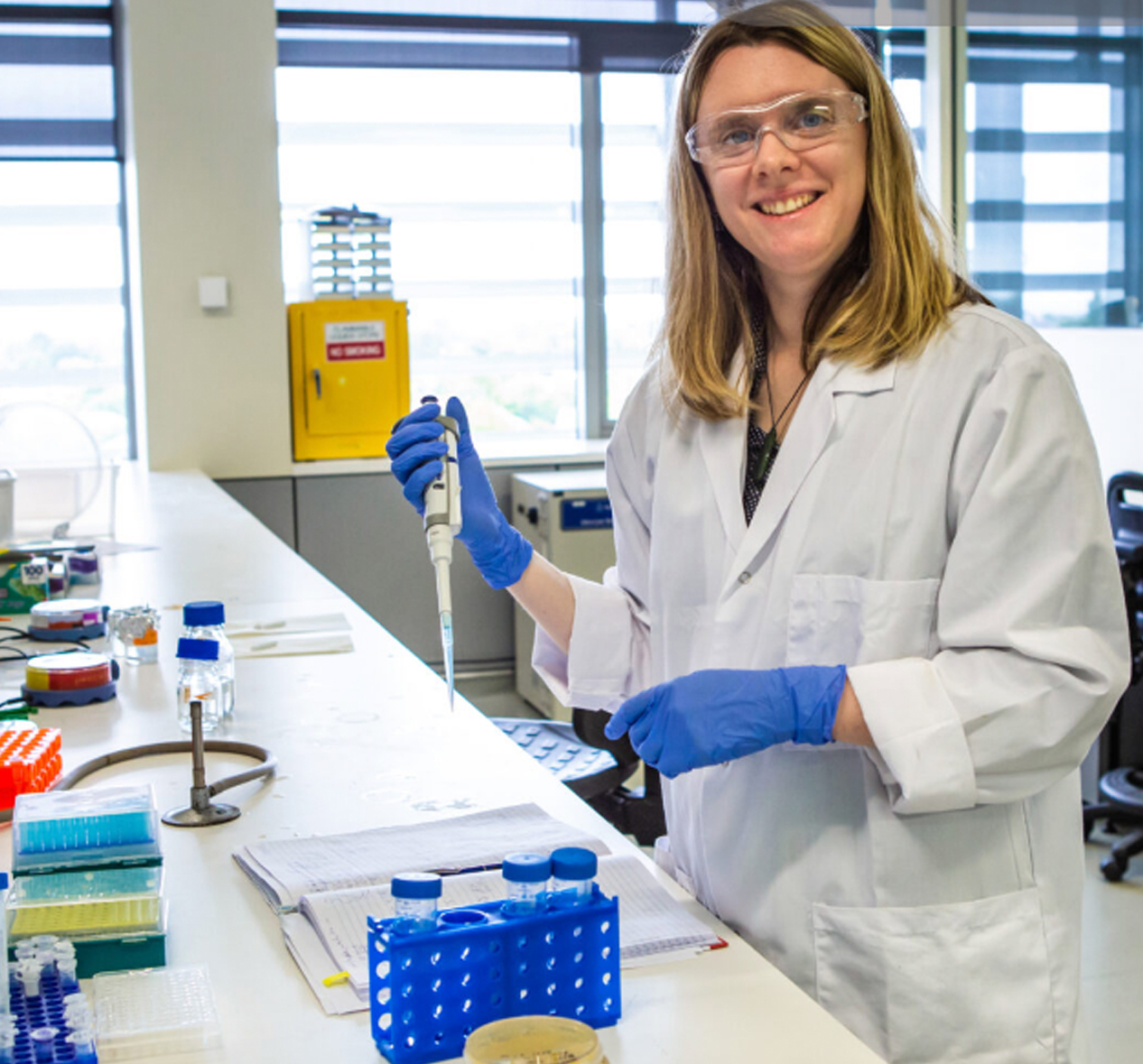
Major Projects Grant Recipient 2023: Dr Vanessa Morris
Can tear drops hold the key to an early diagnosis of Parkinson’s disease?
We’re supporting Dr Vanessa Morris, a Senior Lecturer at the University of Canterbury with a Major Project Grant of $110,000 to find out what more the eye can tell us about the debilitating neurodegenerative condition.
The project is the first study of its kind in the world.
More than 12,000 Kiwis currently live with Parkinson’s disease. The condition is known to cause a wide range of symptoms, including shaking, stiffness, and difficulty with balance and coordination.
“What we understand about Parkinson’s disease is that changes are happening inside the brain for up to a decade before symptoms appear . That makes early intervention difficult because by the time someone is diagnosed, a lot of damage to nerve cells has already been done.
“We think that through analysing tear drops, we might be able to detect those changes early on, so we can say whether or not someone is likely to develop the disease.”
Dr Morris says early detection is key to better health outcomes.
“It opens a whole lot more opportunities for treatment options, so there’s potential here to hugely improve the lives of people living with Parkinson’s disease.”
Dr Morris says the brain is closely connected to the eye, so it’s an easily accessible ‘window’ to collect samples of fluid from.
Dr Morris is a senior lecturer at the University of Canterbury, where she leads a protein biophysics and structural research group focused on studying the structures, mechanisms and interactions of aggregating proteins.
Major Projects Grant Recipient 2023: Dr Teagan Edwards
Could a simple blood test replace the need for colonoscopies in children with inflammatory bowel disease (IBD)?
We’re supporting Dr Teagan Edwards, a postdoctoral fellow at the University of Otago, Christchurch with a $109,992 grant to find out.
More than 20,000 New Zealanders have IBD, with up to a quarter diagnosed as children or adolescents.
“Typically, when a child presents to their doctor with signs and symptoms of inflammatory bowel disease they’re put through a barrage of tests, including blood and faecal tests. But the ones that are currently available don’t always give clinicians a full understanding of what’s going on,” says Dr Edwards.
Colonoscopies are often used to paint a clearer picture, but Dr Edwards believes there could be a less-invasive solution.
Through her two-year project, she’ll assess the suitability of a new blood test that measures the level of myeloperoxidase, an enzyme produced by immune cells, to detect the amount of inflammation happening inside the body.
“If we had a blood test that could accurately reflect disease severity in children with inflammatory bowel disease, we could reduce the number of colonoscopies they require and enable earlier diagnosis and more effective disease monitoring.
“This ultimately means these children can spend more time out of the hospital and enjoying their childhoods,” Dr Edwards says.
Dr Edwards says receiving funding for the project was fantastic news.
“I’m so grateful that the Canterbury Medical Research Foundation has made this research possible. We know invasive testing can cause a great deal of stress for kids and their family, so if we can find an alternative option I know it’ll make the world of difference.”
Dr Teagan Edwards is a University of Otago, Christchurch Department of Paediatrics researcher. She has a particular passion for translational research in the field of inflammatory disease.
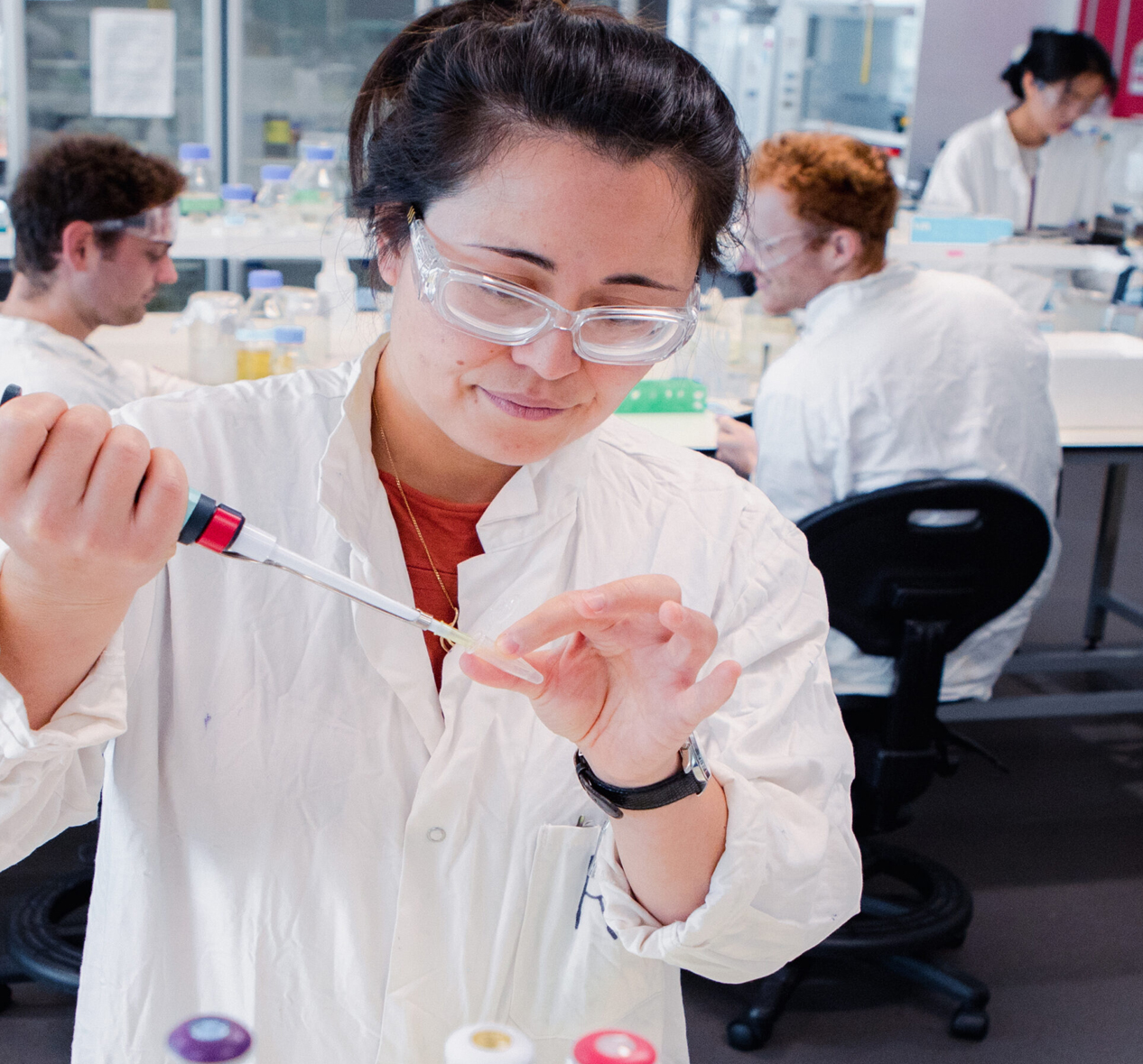
Major Projects Grant Recipient 2023: Dr N. Amy Yewdall
Can something as simple as a droplet of protein change the survival rate of people with acute myeloid leukaemia?
Dr N. Amy Yewdall, a biochemist and Senior Research Fellow at the University of Canterbury, is about to find out.
Dr Yewdall has been granted $110,000 from the Canterbury Medical Research Foundation to unravel protein and nucleic acid interactions to gain insight into disease progression, specifically in people with acute myeloid leukaemia, a type of cancer of the blood.
In New Zealand, around 700 adults and 40 children are diagnosed with Acute Myeloid Leukaemia every year. The survival rate is just 25%.
“When someone has acute myeloid leukaemia, it’s because proteins inside the cells have mutated, and that can disrupt cellular function and form cancer,” says Amy.
Dr Yewdall wants to figure out how these mutations affect the way in which protein droplets are formed inside the body.
Usually, in healthy cells proteins bind to ribonucleic acid (RNA) to form droplets, but Dr Yewdall and her team believe the mutations could be stopping that from happening.
“We think that the mutations are causing the protein to bind with DNA instead of RNA, binding with a different nucleic acid would have flow-on effects, which could include the development of acute myeloid leukaemia.”
“If our findings prove this is happening, then wouldn’t it be incredible if we could find a way to regulate how these proteins come together. For example, imagine if we could develop a drug that could change the interactions between the proteins and their partner. That would be a game-changer.”
As part of the project, Dr Yewdall and her team will determine how proteins interact to form droplets in the test tube. The findings will be critical to understanding how they work, and just as importantly, how they don’t.
“Often in the cell, there’s all these other things that are going on with proteins and molecules that can influence how we interpret the data. By looking at proteins in the test tube, you can isolate these interactions, and add in components to control and understand what you’re looking at.”
This research is set to start in March next year. It’s an opportunity Dr Yewdall is “incredibly grateful” for.
“I’m an early career researcher, so having this support from CMRF is huge. It’s nice to know that emerging researchers like me have the ability to apply for funding at CMRF.”
Dr Yewdall is originally from North Canterbury. Growing up, her interest in how things work led her to follow a career in biochemistry, where she studied abroad at Cambridge University. She completed her doctorate at University of Canterbury, before gaining postdoctoral experience in the Netherlands. Amy is now back in New Zealand and is looking forward to starting her own research group at the University of Canterbury.

Welcome to Professor Ekant Veer
When Dr Ekant Veer was given an opportunity to work with the Canterbury Medical Research Foundation it was “as though the stars had aligned”.
Growing up with a Dad who is a psychiatrist and an older brother who is a surgeon, the University of Canterbury marketing professor has always been surrounded by health and health research. Being on the board of the Canterbury Medical Research Foundation (CMRF) was a chance to pursue that interest while using his knowledge and experience for the greater good.
“Growing up in a family with ‘real doctors’ has given me an understanding of the medical field, but it’s also my lived experiences that motivated me to put my hand up to join the CMRF board.”
Having moved to Christchurch eight months before the city’s first major earthquake in 2010, Ekant saw first-hand the impact that good health had on people’s ability to survive and thrive going forward, but also how poor health was a barrier for those living with the ongoing effects of the earthquakes.
“The earthquakes really brought to the fore the massive need in the health space. While some people coped well, others struggled. With research comes opportunities to close that divide, and that really is what excites me most about being on the CMRF board, that is, being able to make a meaningful difference in people’s lives.”
As part of his work on the board, Ekant will be heading up the CMRF sub-committee dedicated to marketing.
“I’m really looking forward to driving the future of what CMRF looks like and what that means to people. There are some incredible medical researchers out there doing amazing things, and they deserve to be recognised. Sharing the real-world impact of what those researchers do is so important.”
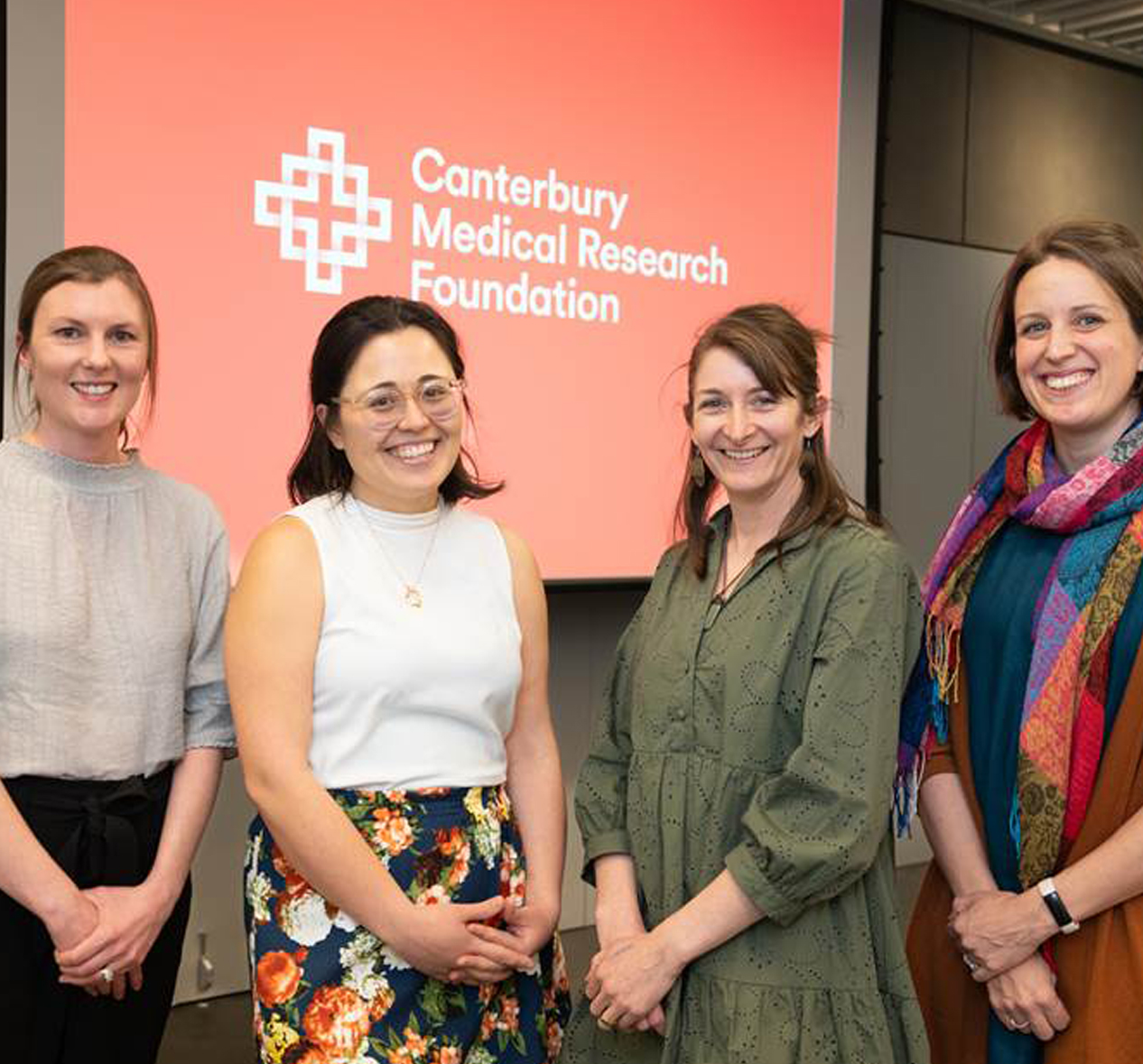
More than half a million granted to Christchurch health researchers
A simple blood test could replace the need for colonoscopies in children with inflammatory bowel disease, while a new psychological therapy for bipolar disorder is being investigated.
These are two of the six research projects soon to be underway thanks to $651,597 in funding announced today by the Canterbury Medical Research Foundation.
The Major Project Grants funding round takes place annually, but this year, for the first time in CMRF’s 63-year history, all the recipients are women.
The innovative projects span a wide range of specialist subject areas, including mental health, brain research, child health research and heart disease.
Dr Katie Douglas, a research associate professor and registered clinical psychologist at the University of Otago, Christchurch will receive $101,777 to support her two-year research project investigating a new psychological treatment for bipolar disorder.
Called Behavioural Activation Therapy, the treatment is commonly used to help people experiencing depression, but new research overseas suggests it could be just as effective at treating bipolar disorder.
The condition affects nearly 2% of all Kiwis, but rates are double for Māori, says Dr Douglas.
“Unfortunately, most people with bipolar disorder cannot access psychological therapy in Canterbury, or throughout New Zealand. Medication can help, but having a qualified therapist to support patients is critical for long-term recovery.”
Dr Douglas says getting access to specialist mental health services can be challenging, and those who are accepted for treatment usually don’t get the help they need long-term.
“It’s really disheartening because what we know about bipolar disorder is that it’s a lifelong condition. It’s chronic and it’s relapsing so there does need to be long-term psychological input for these people, so they know how to manage their condition.”
Twenty people with bipolar disorder will be recruited to take part in the project. They’ll receive therapy over a period of six months, with assessments carried out before and after to determine the trial’s success.
The therapy will be adapted to incorporate Māori models of health, says Dr Douglas.
“Ensuring the treatment is culturally responsive is key, especially given rate of Māori affected by bipolar disorder is disproportionally higher than the rest of the community.”
Dr Teagan Edwards, a postdoctoral fellow at the University of Otago, Christchurch has been awarded $109,992 to investigate whether a simple blood test could replace the need for more invasive testing in children with inflammatory bowel disease (IBD).
More than 20,000 New Zealanders have IBD, with up to a quarter diagnosed as children or adolescents.
“Typically, when a child presents to their doctor with signs and symptoms of inflammatory bowel disease they’re put through a barrage of tests, including blood and faecal tests, but the ones that are currently available don’t always give clinicians a full understanding of what’s going on,” says Dr Edwards.
Colonoscopies are often used to paint a clearer picture, but Dr Edwards believes there could be a less-invasive solution.
Through her two-year project she’ll assess the suitability of a new blood test that measures the level of myeloperoxidase, an enzyme produced by immune cells, to detect the amount of inflammation happening inside the body.
“If we had a blood test that could accurately reflect disease severity in children with inflammatory bowel disease, we could reduce the number of colonoscopies they require and enable earlier diagnosis and more effective disease monitoring. This ultimately means these children can spend more time out of the hospital and enjoying their childhoods,” Dr Edwards says.
Canterbury Medical Research Foundation Chief Executive Melissa Haberfield says the calibre of this year’s Major Project Grant applicants was extremely high, and the research projects that have been submitted are testament to the exceptional talent of Canterbury researchers.
“Canterbury is home to some of the world’s most innovative and highly recognised health and medical researchers. Today we celebrate six incredible women who are leading research projects that we anticipate will create better health and wellbeing outcomes for the people of Canterbury and the world,” says Melissa.
Other recipients of the Canterbury Medical Research Foundation’s Major Projects Grants are:
Dr Vanessa Morris, granted $110,000 for research into how tear drops can aid in an early diagnosis of Parkinson’s Disease. Dr Morris is a Senior Lecturer at the University of Canterbury.
Dr Louise Paton, granted $109,843 to research the link between what we eat, how our body metabolises energy and heart disease. Dr Paton is a Research Fellow at the University of Otago, Christchurch
Dr N. Amy Yewdall, granted $110,000 to investigate the biomolecular interactions leading to disease progression in Acute myeloid leukaemia. Dr N. Amy Yewdall is a Senior Research Fellow at the University of Canterbury.
Dr Katherine Donovan, granted $109,985 to investigate whether an integrated group treatment could support well-being in adolescents impacted by the March 15 attacks. Dr Donovan is a Senior Lecturer at the University of Otago, Christchurch.
From L-R: Dr Teagan Edwards, Dr N. Amy Yewdall, Dr Katie Douglas, Dr Katherine Donovan.
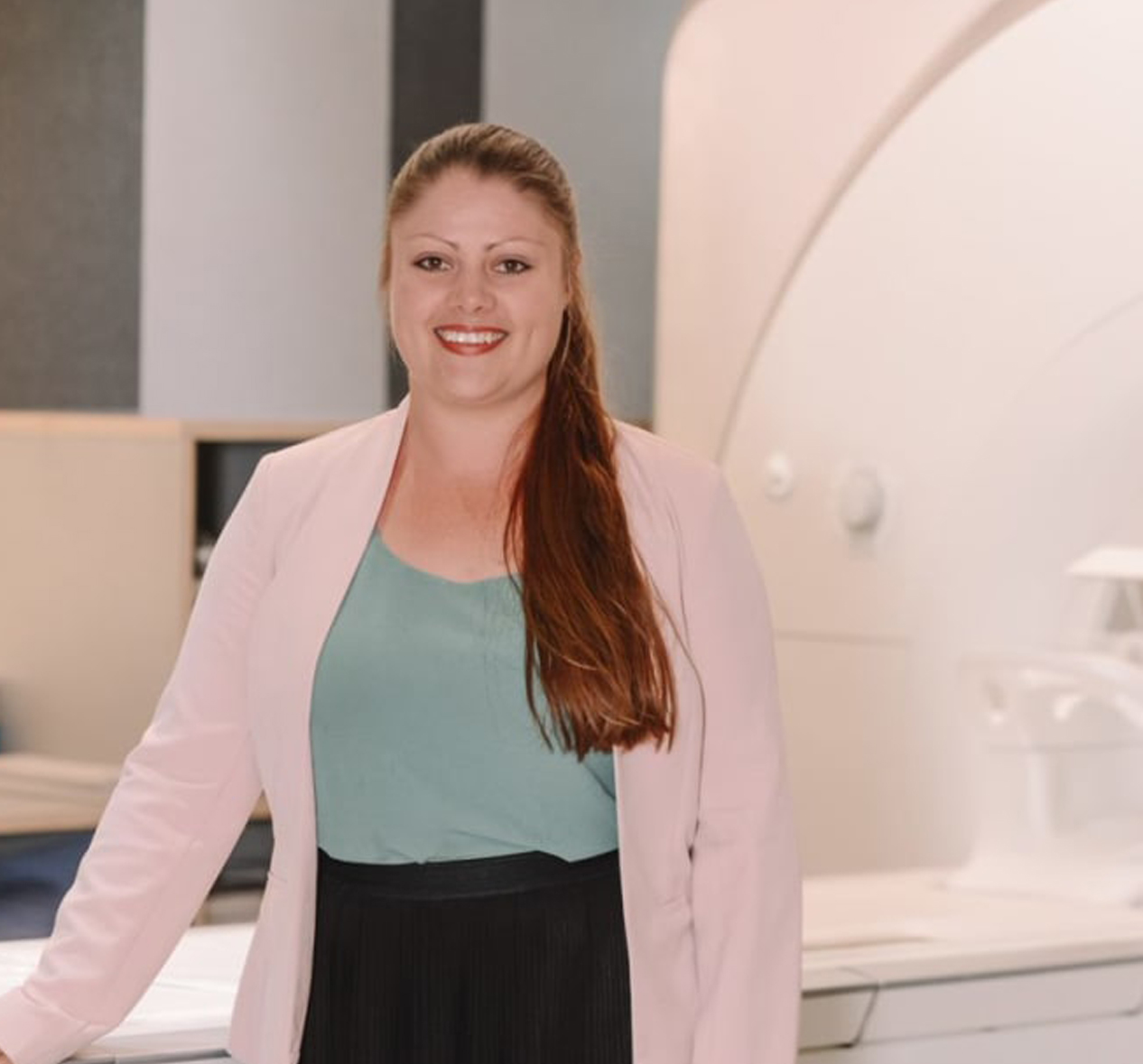
2023 Emerging Research Fellowship: Kyla-Lousie Horne
Congratulations to Dr Kyla-Louise Horne, who has just been announced as the recipient of our Emerging Research Fellowship for 2023.
A grant of $180,000 will support her two-year research project, examining how and why hallucinations occur in Parkinson’s disease.
Dr Horne graduated with a PhD from the University of Canterbury in 2018 and is now working as a Research Fellow at the University of Otago, Christchurch.
Based at the New Zealand Brain Research Institute, her project has the potential to vastly improve the lives of those living with the condition.
CMRF director Melissa Haberfield says the Foundation is “delighted” to play a part in supporting Dr Horne with her research.
“Dr Horne is an incredibly talented local researcher and we are so excited by the potential outcomes of this project. Most of us know or have heard of, someone with Parkinson’s disease. Investing in this Fellowship is about supporting an emerging researcher to develop their research career and to create a positive outcome in an area of health that affects many people in our community.
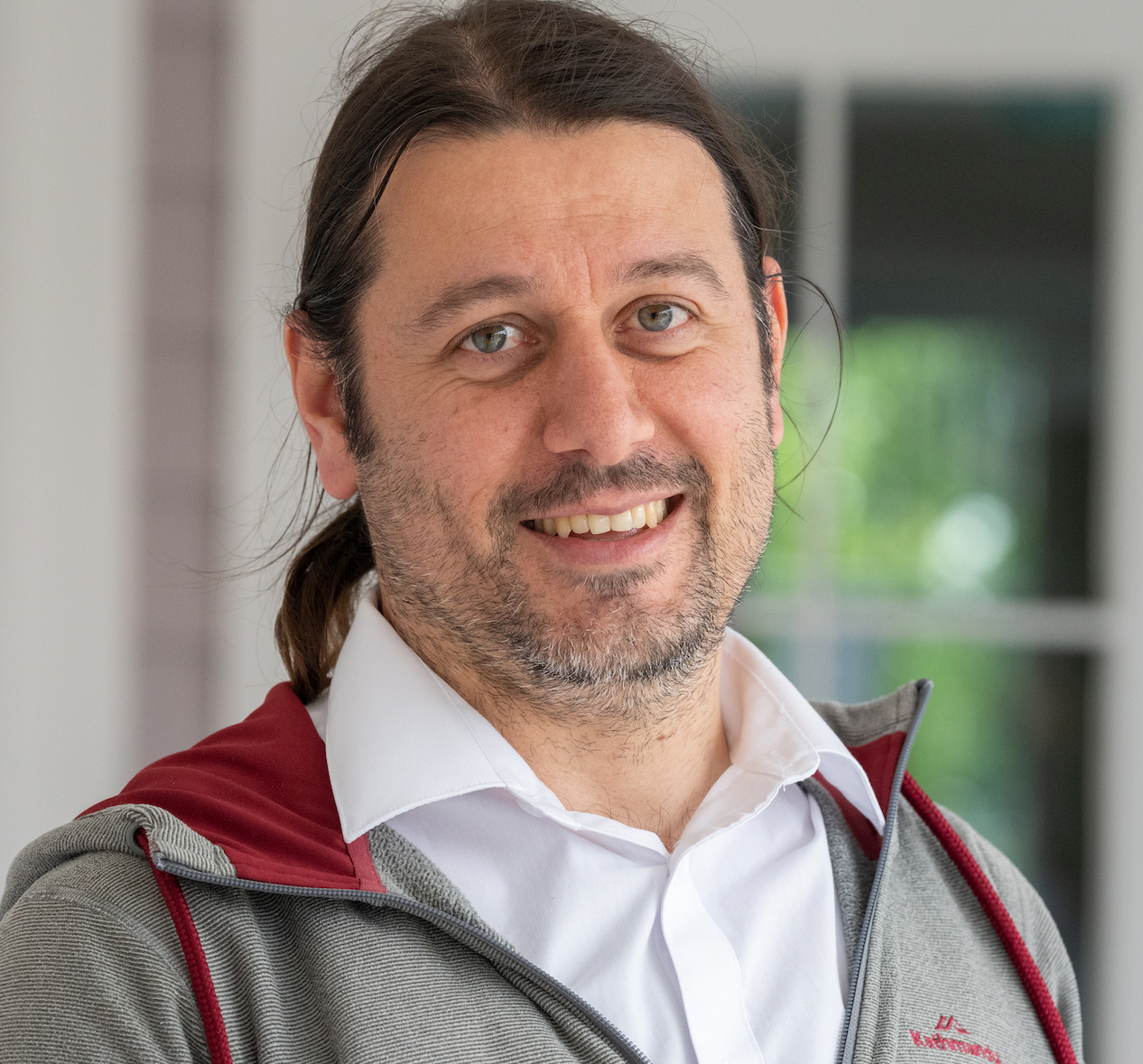
Major Project Grants Recipients 2022: Dr Christoph Goebl
A recent discovery combined with out-of-the-box thinking is behind some ground-breaking research into new methods for cancer diagnosis and treatment.
Dr Christoph Goebl and his research team have been granted $110,000 from the Canterbury Medical Research Foundation for their project on improving cancer diagnostics.
Dr Goebl is a Research Fellow at the University of Otago, Christchurch and a specialist in biochemistry and molecular biology. Funding from the Canterbury Medical Research Foundation is enabling his newly-established team of cancer researchers to further their ground-breaking work.
“While our ideas are unique, they have the potential to change lives,” says Dr Goebl.
Dr Goebl’s team recently discovered that a specific cancer-preventing protein called p16 can form amyloid structures, or abnormalities, that stop the protein from working.
“We know amyloids of other proteins contribute to neurodegenerative diseases such as Alzheimer’s and Parkinson’s, but this is the first-time amyloids have been implicated in cancer,” says Dr Goebl.
“For the first time this is going to help us understand the prevalence of amyloids in cancer. By measuring this we hope we’ll be able to better inform cancer diagnosis, along with helping predict the best treatment option for cancer patients.
“Although our ideas are rather unconventional and need thorough testing, they could provide a yet-unexplored perspective on this devastating disease and set the basis for novel tools to quickly find the best available treatment option.”
Originally from Austria, Dr Goebl has a PhD in Biochemistry and Molecular Biology and two post-doctoral trainings in biochemistry and cell biology with one of the world’s leading immunologists, Professor Tak Mak.
Dr Goebl is a guest lecturer at the University of Canterbury in immunology and tumour biology courses. His work is supported by the Centre for Free Radical Research.

Major Project Grants Recipient 2022: Dr Michael Currie
More than 700,000 people die worldwide each year because of antimicrobial-resistant bacteria – otherwise known as superbugs. If left unchecked, annual deaths could reach 50 million by 2050.
“These figures are alarming and stress the urgent need to develop new strategies for antimicrobials to stop these bugs taking hold,” says Dr Michael Currie.
Dr Currie has been granted $110,000 from the Canterbury Medical Research Foundation to look at how to prevent pathogenic bacteria from obtaining nutrients from the body. His research is expected to set the foundation on which to develop new antimicrobials to fight disease-causing bacteria.
Dr Currie is a Postdoctoral Fellow at the University of Canterbury and a specialist in biochemistry and structural biology. His recently completed PhD research focused on the structure of transporter proteins, known as TRAP transporters, which transport nutrients into bacteria and allow them to grow. The grant from the Canterbury Medical Research Foundation will enable him to take that research a step further.
“Our previous research determined the first molecular-resolution structure of a TRAP transporter, which basically means we know what they look like and how they work.
“This latest project will look at which molecules best disrupt TRAP transporters, as by removing the transporters ability to do its job we will reduce the ability of superbugs to cause infections.”
Dr Currie is one of the emerging researchers supported through the Canterbury Medical Research Foundation’s annual grants programme.
“Having the Canterbury Medical Research Foundation support my research project and career is hugely humbling, and I’m very excited to step into the role of principal investigator for this research project.
“It’s important to me that my work makes a difference and this project will do just that as we expect our findings will help advance the development of new treatments for antimicrobial-resistant bacteria.”
Dr Currie has a PhD in Biochemistry from the University of Canterbury. He has spent time in laboratories in India, the USA and Canada gathering expertise in protein characterisation (particularly membrane protein biology).
HOW YOU CAN BECOME INVOLVED:
SUPPORT OUR CANTERBURY BASED RESEARCH
Your donation directly supports the research projects we fund, helping to create a positive impact today and for the future.
BECOME A MEMBER OF THE FOUNDATION
As a member, you'll recieve exclusive invitations to our AGM, community events, celebratory functions and enjoy meeting our Board and Researchers.
EXPLORE BEQUESTS AND LIVING LEGACIES
Consider leaving a charirable gift in your Will, to ensure that your legacy of generosity lives on, making the difference for years to come.

Stay in touch with CMRF
Get all the latest news and insights to your inbox.